7.12.6
Practice
7.12.6 • Practice
Complete the following questions to practice the skills you have learned in this lesson.
- Choose the quadratic equation that is represented by the graph.
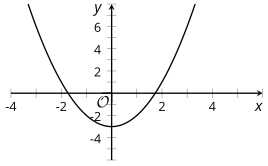
-
-
-
-
- Choose the quadratic equation that is represented by the graph.
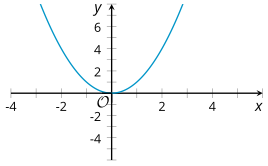
-
-
-
-
- Choose the quadratic equation that is represented by the graph.
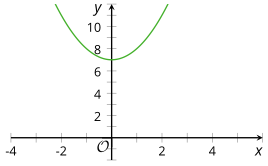
-
-
-
-
- Choose the quadratic equation that is represented by the graph.
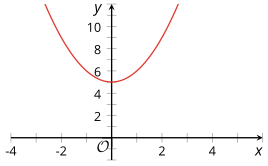
-
-
-
-
- The following two equations are equivalent.
- factored form
- standard form
- Which equation helps find the -intercepts most efficiently?
-
standard form
-
factored form
- Which equation helps find the -intercept most efficiently?
-
standard form
-
factored form
- There are three equations represented on this graph:
(black graph, at the top, opening upward)
;
Use the graph to answer questions a and b.
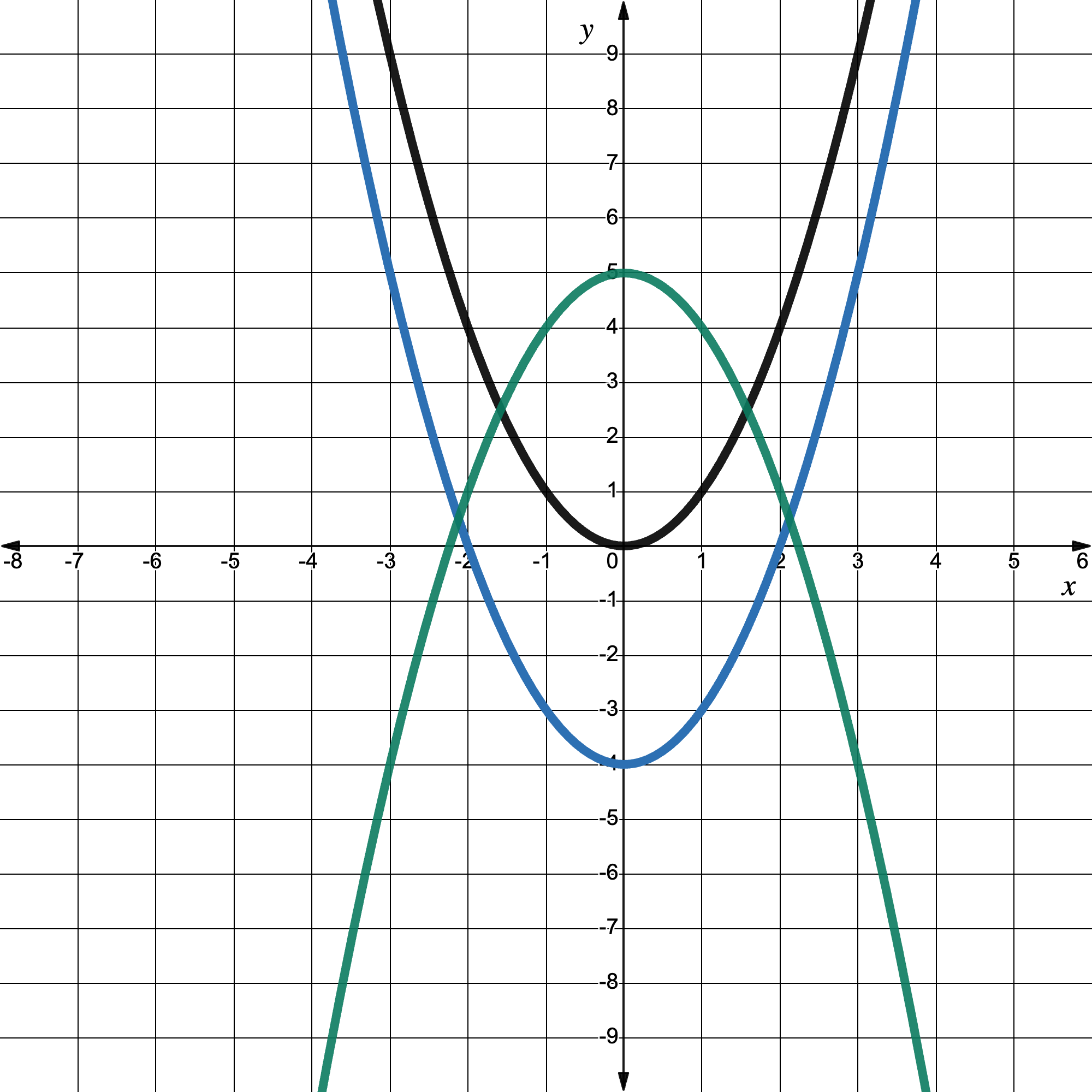
- Which graph represents the equation ?
-
Blue graph (in the middle, opening upward)
-
Green graph (at the bottom, opening downward)
- Which graph represents the equation ?
-
Blue graph (in the middle, opening upward)
-
Green graph (at the bottom, opening downward)
- Select two equations whose graphs have a positive -intercept.
- Which function represents the graph of shifted 5 units to the right?
-
-
-
-
- Select three equations whose graphs open downward.
- Which curve is the narrowest?
-
-
-
-
- Which equation is represented by the graph?
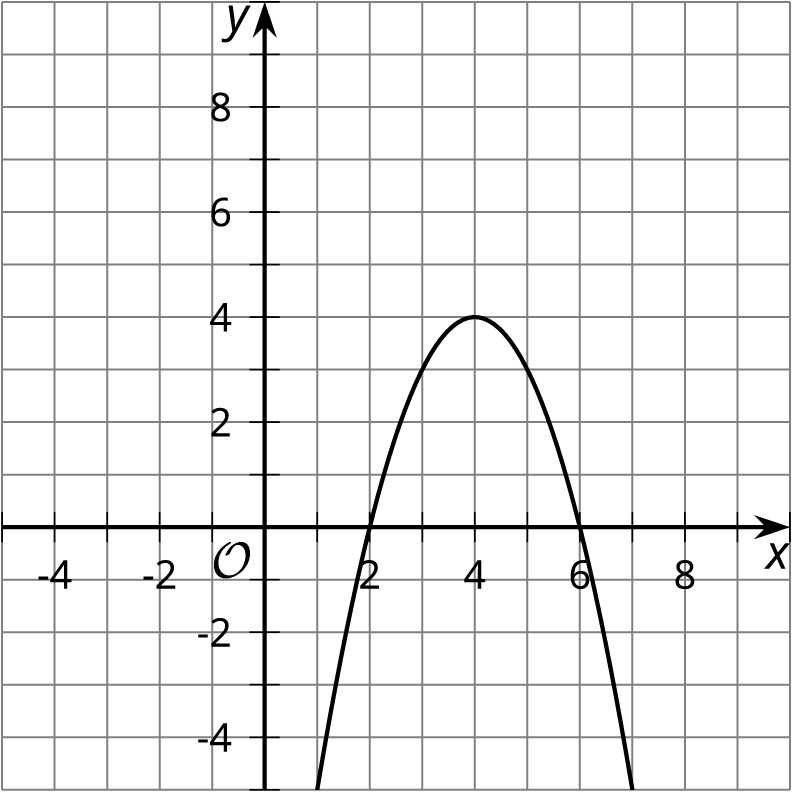
-
-
-
-
- Which equation is represented by the graph?
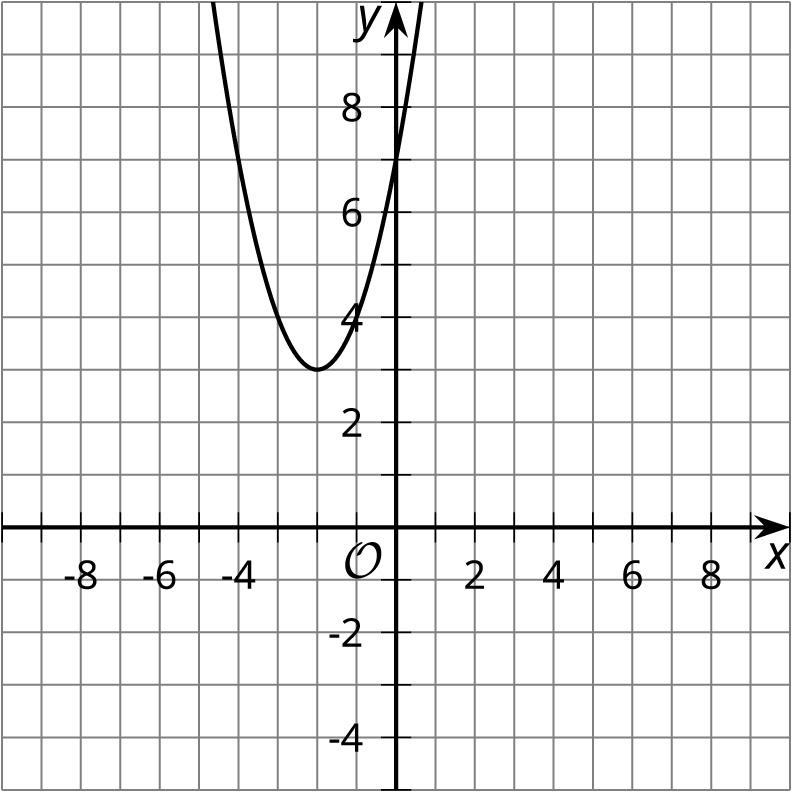
-
-
-
-
For questions 13 - 14, use the following graph.
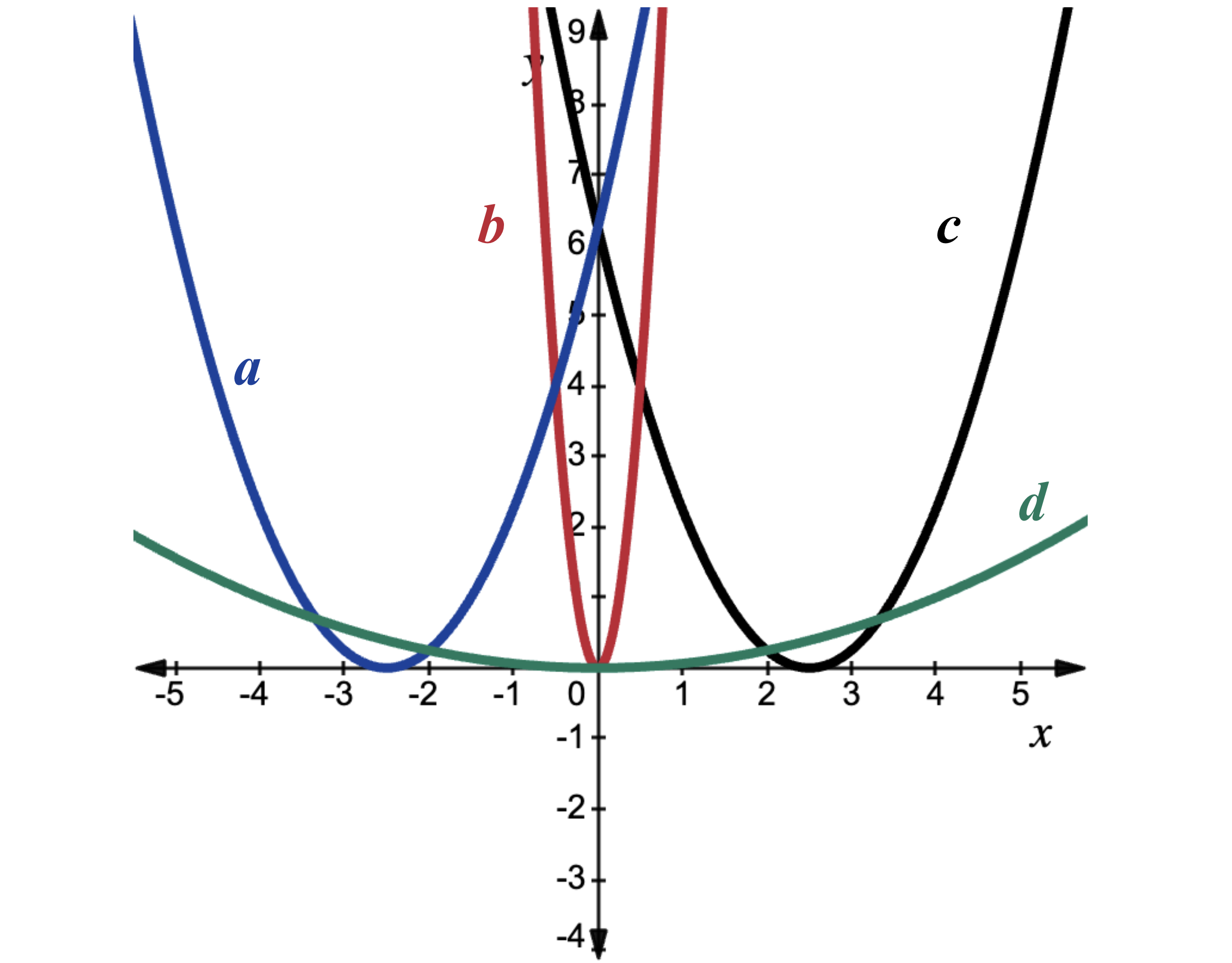
- Which of the graphs has been horizontally stretched?
-
Graph a
-
Graph b
-
Graph c
-
Graph d
- Which function most closely represents the equation for graph c?
-
-
-
-