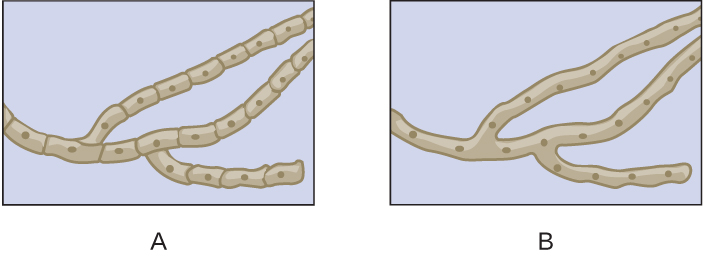
Figure 5.40(credit: modification of work by Richard Robinson)
35.
Protist taxonomy has changed greatly in recent years as relationships have been re-examined using newer approaches. How do newer approaches differ from older approaches?
36.
What characteristics might make you think a protist could be pathogenic? Are certain nutritional characteristics, methods of locomotion, or morphological differences likely to be associated with the ability to cause disease?
37.
Given the life cycle of the Schistosoma parasite, suggest a method of prevention of the disease.
38.
Which of the drawings shows septate hyphae?
39.
Explain the benefit of research into the pathways involved in the synthesis of chitin in fungi.